The Best Ways to Introduce a New Litter Box to Your Cat
Author:Allison
Released:February 7, 2026
You bring home a new litter box—clean, modern, easy to scrub. The next morning, your cat uses the hallway rug instead. It feels like sabotage, but it's actually stress. Cats dislike abrupt environmental changes because their comfort depends on familiar scents and routines.
A brand-new plastic box smells foreign, not safe. To your cat, it's as if their bathroom disappeared overnight. Introducing a new litter box successfully means working with their instincts, not against them. With a calm transition plan, you can keep the new setup and your cat's trust at the same time.
Why Cats Often Reject a New Litter Box
Cats are territorial animals that rely on smell and consistent locations to orient themselves. Sudden changes, such as replacing the box, switching litter, and moving it to another room at the same time, can create anxiety. A stressed cat will usually avoid the new area and seek a spot with familiar odors instead.
Physical comfort also matters. Covered boxes trap odors and moisture, making the air inside unpleasant. For cats with sensitive noses, trapped ammonia is strong enough to drive them out.
Covered designs also block peripheral vision, which heightens anxiety. In the wild, cats stay alert for danger while eliminating. If they can't see the room, they may not feel safe enough to use the box.
Sometimes litter box avoidance signals a medical issue rather than behavioral defiance. Painful urination, which can result from conditions like urinary tract infections or bladder inflammation, often leads to accidents outside the box. The Cornell Feline Health Center recommends immediate veterinary evaluation if your cat shows blood in urine, cries when urinating, or visits the box repeatedly without results. Always rule out health problems before retraining.
How to Choose the Right Setup
1. Match the box to the cat, not your décor.
Cats prefer spacious, open boxes that allow easy movement and full turning. The ideal box should be about one and a half times your cat's body length from nose to tail base. If your cat's whiskers brush the sides when they turn, the box is too cramped.
2. Placement strategy matters.
Choose a quiet, low-traffic area free of sudden noises. Laundry rooms, near washing machines, or beside loud HVAC vents are common problem zones. Cats associate startling sounds with poor safety. Equally, don't place the litter box next to food or water bowls. Cats instinctively separate their eating and elimination areas to avoid contamination.
3. Accessibility is essential.
Young, athletic cats may happily leap into a top-entry box. An older or overweight cat, or one with arthritis, will need a low entrance no higher than three inches. Watch your cat's daily movements; hesitation or slow jumps are cues that an easier entry box will reduce stress.
4. Litter matters more than you think.
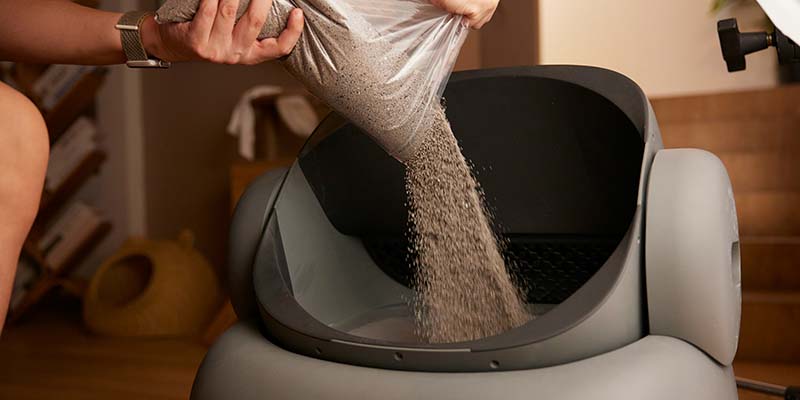
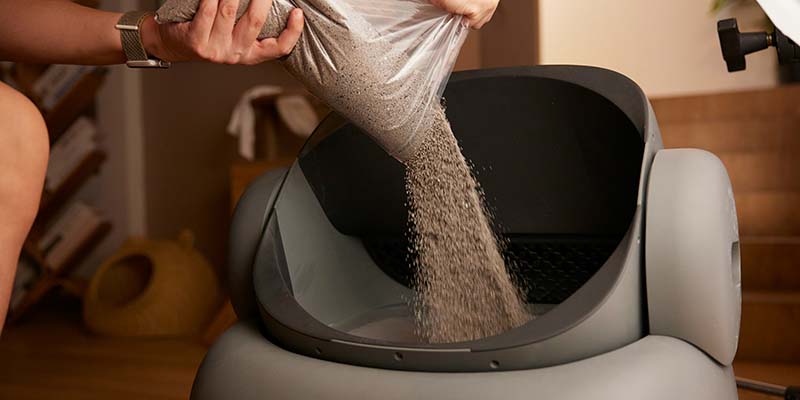
Most cats prefer fine-grained, unscented, clumping litter that feels soft under their paws. Artificial fragrances such as lavender or citrus may smell nice to people but often repel cats.
When switching to a new litter, mix the old and new types gradually, starting with about 75% old litter and 25% new for several days to help your cat adjust without rejection.
Transitioning Step by Step
1. Start side-by-side.
Place the new box next to the old one. Keep the old litter inside both boxes during the early stage. Cats adjust faster if they can compare safely without pressure.
2. Transfer scents.
Scoop a bit of used litter from the old box into the new one. This transfers scent markers that say “this is mine.” Cats use smell to confirm territory, so familiar odors help them recognize both boxes as safe options.
3. Observe quietly.
Allow your cat to explore the new box on their own. Avoid picking them up or forcing them to enter; this creates negative associations. Reward natural curiosity—if your cat sniffs, paws at, or steps in the new box, offer a small treat afterward.
4. Gradually encourage preference.
Once your cat consistently uses the new box for several days, begin skipping cleanings in the old box. Cats prefer cleaner areas and will naturally migrate to the tidy option. When you are confident the switch is complete, remove the old box entirely.
5. Maintain consistent hygiene.
Cleanliness reinforces trust. Scoop solid waste and wet clumps daily, then wash the box every month using mild, unscented soap and warm water. Avoid bleach, pine, or citrus cleaners—they leave strong odors that deter reuse.
Customizing for Different Cat Needs
Kittens:
Tiny kittens should have low-sided boxes they can enter easily. Use non-clumping, dust-free litter until they are past the exploratory chewing stage, as swallowing clumping clay can cause digestive blockages. Keep several small boxes available since kittens eliminate more often than adults and have less bladder control.
Adult Cats:
Healthy adults adapt most easily but still prefer predictability. For multi-cat homes, follow the “n + 1” rule: one litter box per cat plus one extra. This reduces territorial disputes and ensures access even if one cat blocks another's path. Spread boxes across separate rooms rather than grouping them together.
Senior Cats:
Mobility declining with age means convenience becomes critical. Choose a large box with low entry or a shallow tray. Add a small nonslip mat or ramp if mobility is limited. Older cats often benefit from positioning the box on the main living level near their sleeping area. According to the American Association of Feline Practitioners, geriatric cats should have easy access to food, water, and litter without climbing stairs.
Anxious or Shy Cats:
Provide both visibility and safety. A high-sided open box shields them from activity but still lets them see the room. Never place their box in a tight corner or closet with only one exit; they might feel trapped if another pet approaches. Calming aids such as feline pheromone diffusers (like Feliway) near the litter area can help reduce stress during transitions.
Multi-Cat Households:
Conflicts around shared boxes cause most elimination problems in multi-cat homes. Space boxes in separate rooms or on different levels. Avoid narrow hallways or enclosed closets where a dominant cat could guard access. Litter box crowding is a common reason cats start urinating in hidden spots like behind furniture. Keep each box clean and evenly appealing so none become neglected.
Fine-Tuning Environment and Maintenance
Ideal litter depth: Most cats prefer two to three inches, enough for covering waste but shallow enough for stable footing. Deep diggers may like four inches, but overly deep litter can feel unstable and deter use. Adjust until your cat seems comfortable covering without over-scratching the bottom.
Odor control strategies: Mechanical air fresheners or heavy fragrances can backfire. Instead, focus on ventilation. A small low-noise fan or open window near the area works better. Regular scooping removes odor sources before they deter your cat.
Cleaning frequency: Multi-cat homes require scooping twice daily. Each month, empty all litter and wash the container to remove residue buildup. Over time, plastic absorbs odor; replacing boxes every 1–2 years prevents lingering smells even if cleaned well.
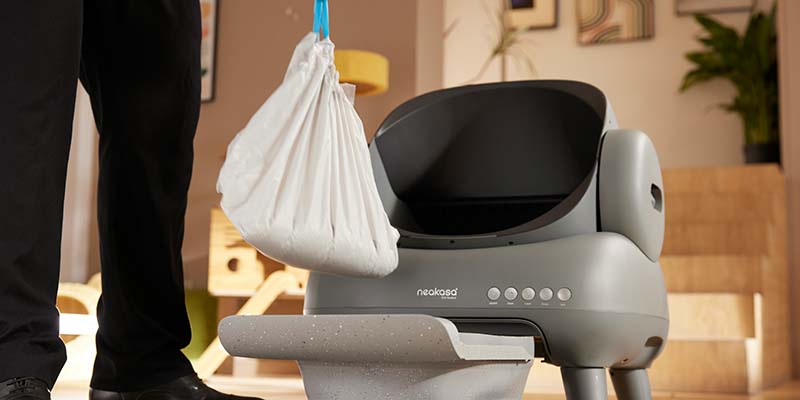
Surface protection: For cats who dig vigorously or sometimes miss the box edge, place a waterproof mat underneath. Silicone mats trap stray litter, making cleanup faster and preventing urine from seeping into floors.
Troubleshooting Common Setbacks
If your cat stops using any box during the transition, revert to what worked previously. Bring back the old setup, confirm consistent use for a few days, and then try again with smaller adjustments. Cats remember negative experiences, so one mistake can cause several days of avoidance.
For ongoing issues, consider:
A veterinary checkup to rule out pain or infection.
Stress reduction through enrichment (scratching posts, play sessions, hiding spaces).
Use identical litter in every box to reduce confusion.
Some cats develop strong surface preferences. If your cat repeatedly urinates on fabric, placing a washable rug piece near the box and slowly moving it closer over time can redirect them back to their litter.
Next Steps
Introducing a new litter box isn't complicated, but success depends on timing and observation. Move slowly, maintain familiar scents, and respect your cat's natural caution. Cats don't resist out of stubbornness; they simply need reassurance that the new box is part of their safe territory.
Take a few minutes to inspect your cat's current setup today. Is it large enough? Located somewhere quiet? Easy to reach? If you decide to upgrade, place the new box beside the old one tonight and let your cat explore at their own pace. A clean, well-chosen, and familiar-smelling litter box builds lasting bathroom habits and a happier home for both of you.
Related Posts

Not Bad Luck, Just Beautiful: 10 Black Cat Breeds You Should Know
How To Stop Cats Scratching Furniture Without Punishment
Homemade Cat Wand Toy Ideas That Keep Cats Engaged
Male vs. Female Cat Personality: How to Choose the Best Cat for Your Lifestyle

Why Dogs Get Hot Spots and What Pet Owners Should Know